

Many people struggle to eat enough vegetables. This How to Eat More Vegetables guide will give you lots of easy, practical cooking tips and healthy recipes that will help you and your family hit your five a day, every day.
These tips are all things I do regularly myself. They are based on years of developing healthier eating habits, and I hope they'll help you too.

Jump to:
Why it's important to eat more vegetables
Amongst the many conflicting views on healthy food, one message consistently stands out: the need to eat more vegetables. It's one of the simplest ways to improve your diet. Vegetables are an incredibly rich source of vitamins, minerals and other nutrients that boost your health.
As well as eating enough vegetables, it's good to add a wide variety of different vegetables to your diet. However much you eat of one particular type of veg, it still only counts as one portion of your five a day. Add plenty of variety, and each portion should be around 80g (about 3 tablespoons). Be generous with your helpings and pile those veggies onto your plate.
But even when we know the benefits of eating more veg, it isn't always easy when we're busy, dealing with picky eaters, and cooking in a rush.
Easy ways to eat more vegetables - practical tips
Eating more vegetables doesn't have to mean completely changing your diet. With a few simple habits and recipe ideas, you can add vegetables to meals you and your family already enjoy.
Add vegetables at the start of a meal
One of the best times to pack in extra vegetables is at the start of a meal when you are hungry.
There's also evidence that eating vegetables first is especially good for your health and can help to stabilise blood sugar levels.
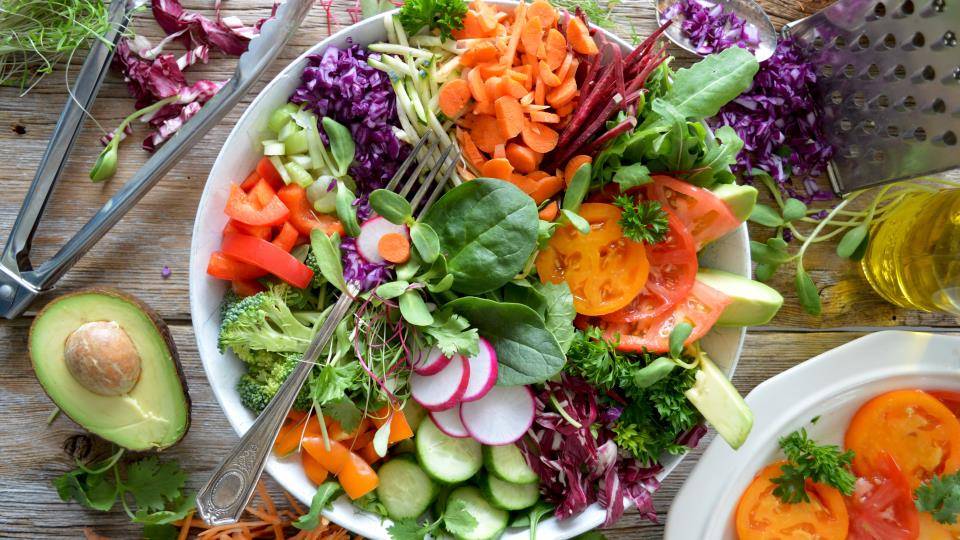
A healthy bowl of veg-packed soup or a colourful salad can easily add in an extra two portions of veg. Leafy greens are an easy, healthy choice, but grated carrot or a few crudites are also delicious.
Keep vegetables ready prepared for snacking
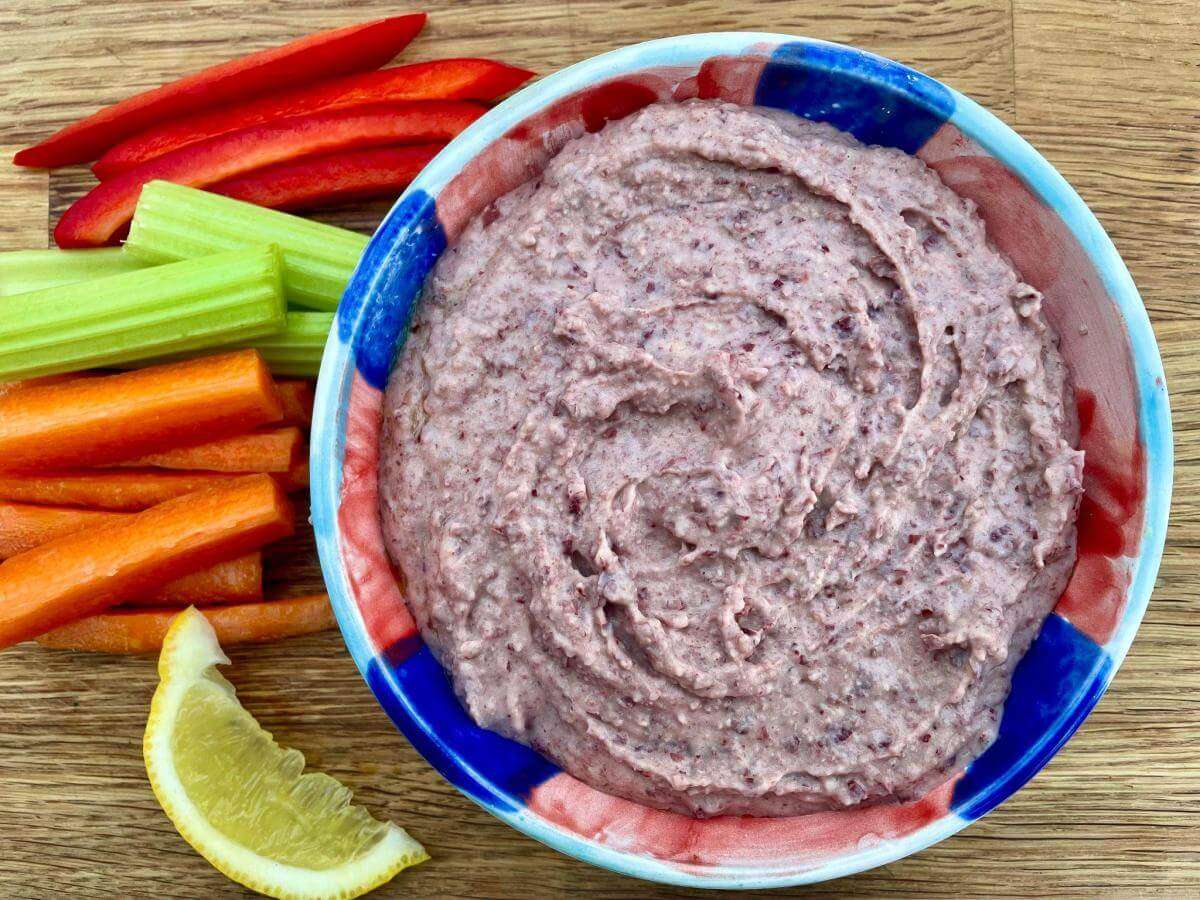
Put some prepared vegetables at the front of the fridge where you'll see them when you are feeling hungry. Carrots and peppers with hummus are delicious, and it's amazing how much kids and adults will polish off when they are feeling peckish!
When you're on the go on a cold day, take a flask of warm soup with you. It'll keep you going and ward off hunger pangs. And a hot mug of soup is also great when you are at home on a chilly day.
Substitute your carbs with vegetables
White potatoes don't count towards one of your five a day. But other starchy root vegetables do, and they are still comforting and delicious. They are an easy way to eat more veg.
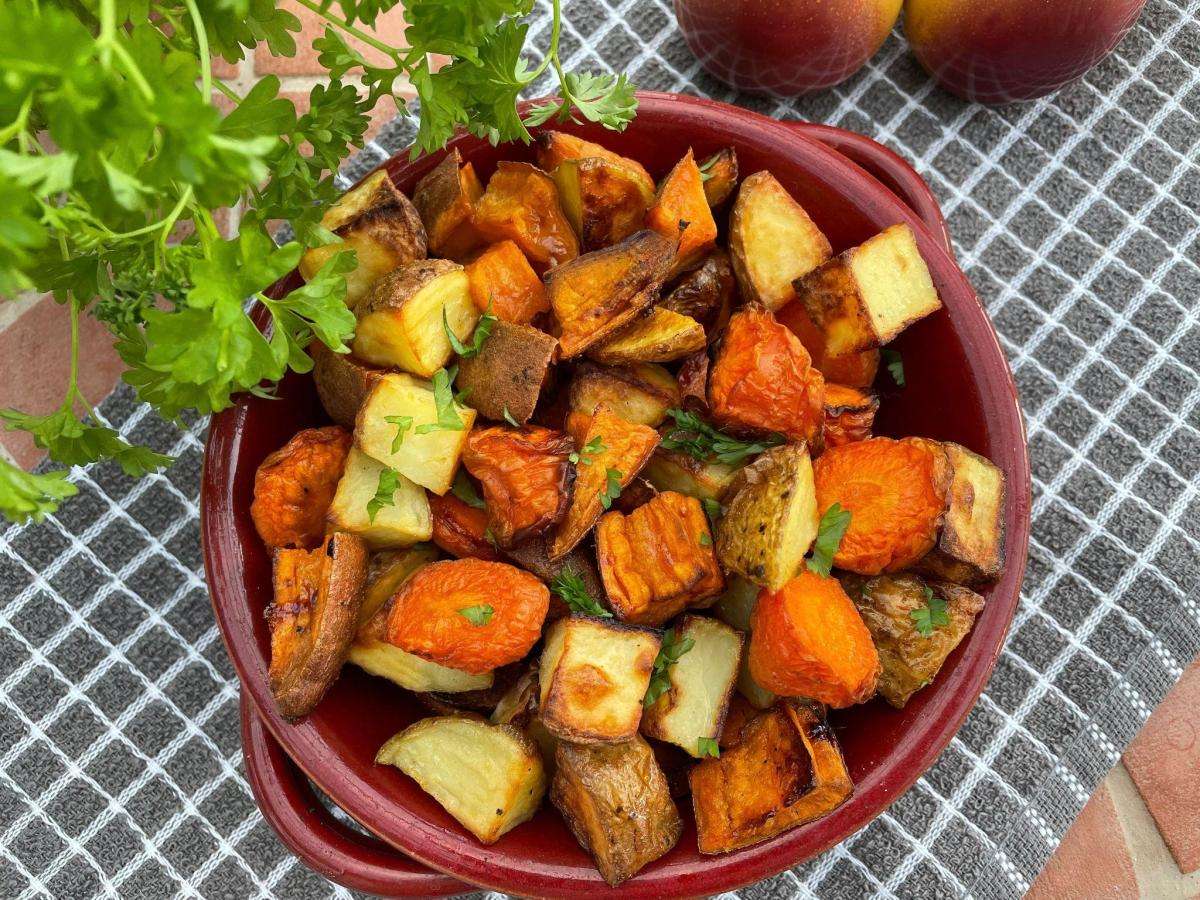
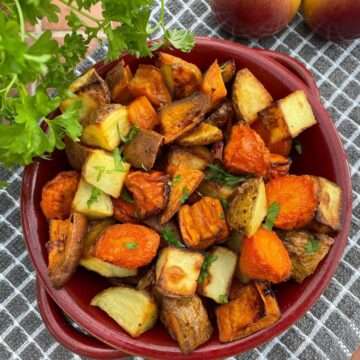
Instead of serving just white potatoes by themselves, replace them or mix them with other roasted veg such as sweet potatoes and carrots. Roast swede is a comforting starchy veg that counts as one of your five a day.
Mashed swede and carrots works brilliantly as a lower carb replacement for mashed potatoes, either a healthy side dish or as a topping to a shepherd's pie.
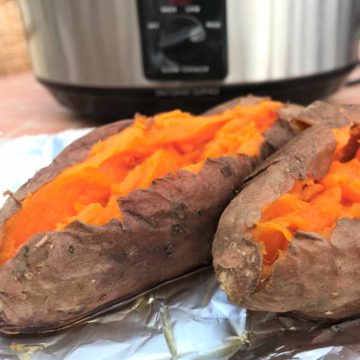
Or try baked sweet potatoes as a tasty healthy alternative to jacket potatoes.
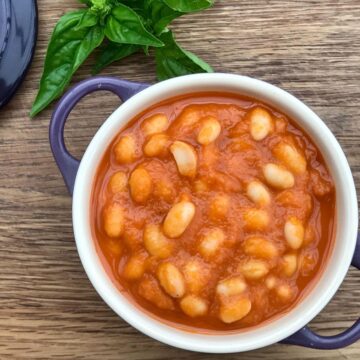
White beans are another alternative to potatoes. Make a healthy bean mash with a drizzle of olive oil and some seasoning. Or use butter beans as a substitute for gnocchi.
And when you're boiling pasta, pop in some frozen peas, so there's less pasta and more vegetables on your plate.
You can also substitute cauliflower rice for rice to add more vegetables to your diet.
Add beans and lentils to eat more veg
Pulses count as one of your five a day. Beans and lentils are great sources of fibre, vitamins and minerals. If you don't want a vegetarian option, add them to dishes such as beef lasagne with beans. They are a great way of making meat go further.
Lentils work well in salads and tinned pulses are an easy way to add an extra portion of veg to your dinner. Dried red lentils cook very quickly and are great for thickening soups and stews. If you want to make a soup or casserole more hearty, add some red lentils.
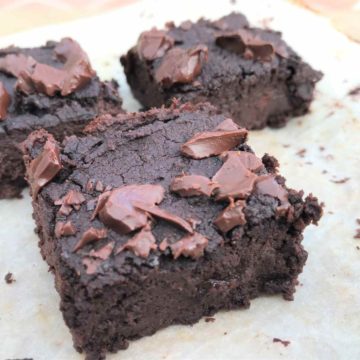
You can even use beans as a replacement for flour in some sweet treats. Why not try healthy adzuki bean brownies?

Chickpeas are another great healthy addition to your diet, and I've found this simple hummus is a real hit with a lot of children. Try substituting hummus for mayonnaise in wraps and sandwiches.
Roast chickpeas are also delicious and make a lovely crunchy snack. You can also use other pulses such as butter beans to make hummus. Or simply enjoy baked beans on toast!
Use vegetables as the base of a meal
Making a dish where the vegetables take centre stage is an easy (and delicious) way to eat more veg.
Rather than vegetables being an afterthought on the side of your plate, make them the hero of your meal. Try cooking them in different ways to add extra flavour and textures.
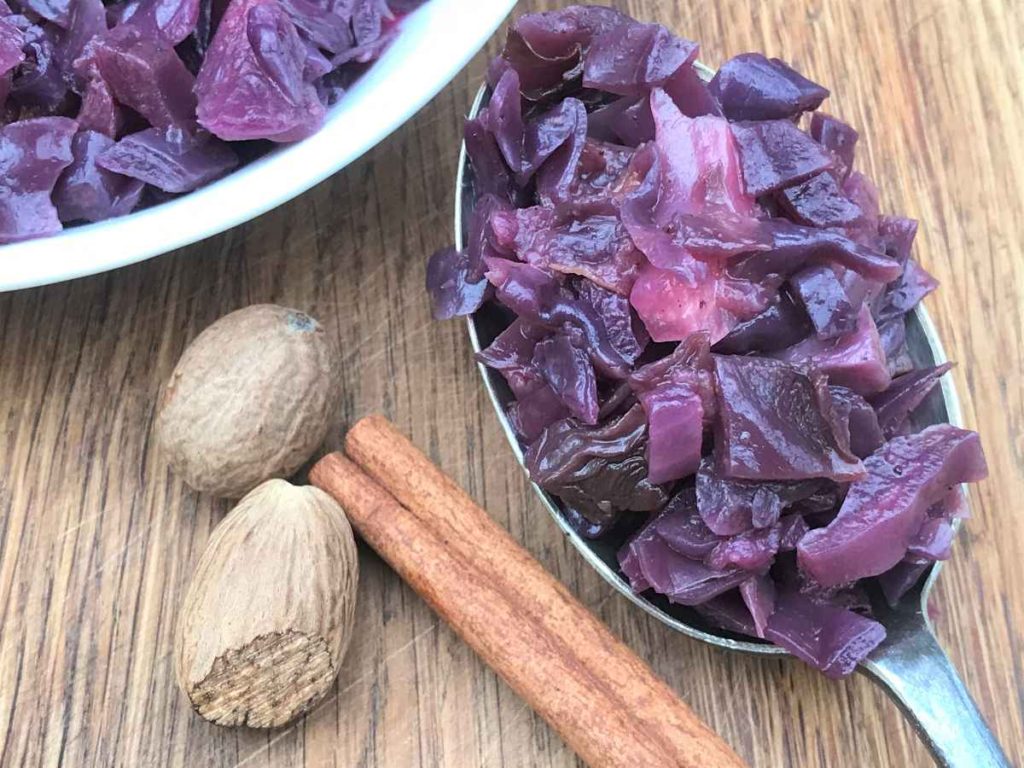
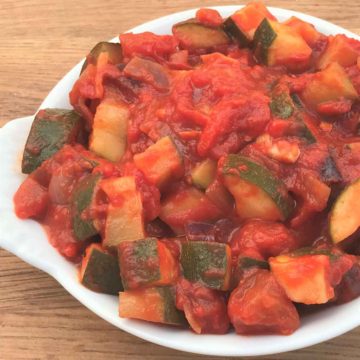
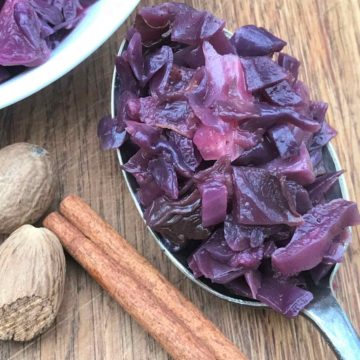
Braised red cabbage is delicious, cooked with apple and onion. These Mediterranean-style courgettes and tomatoes will give you 3 portions of veg in one dish. Another tasty combination to try is beans-and-beans - a mix of green beans and tinned haricot beans with a simple lemony dressing. Or stir fry a big selection of colourful vegetables.
If you've got leftovers such as sausages, you can transform them into a quick weeknight meal with a generous helping of these easy vegetable side dishes.
Make use of store cupboard veg
Make sure you always have a good and varied supply of vegetables on hand. If all you have is a yellowed stalk of broccoli lurking in the bottom of the fridge, it's all too easy to skip eating veg.
Some fresh vegetables store very well, such as onions, carrots, pumpkins and squash, sweet potatoes and cabbage, so make sure you have plenty in stock.
Don't forget canned veggies also count towards your five-a-day. Canned sweetcorn, tomatoes and pulses such as lentils and beans are all great to have on standby.
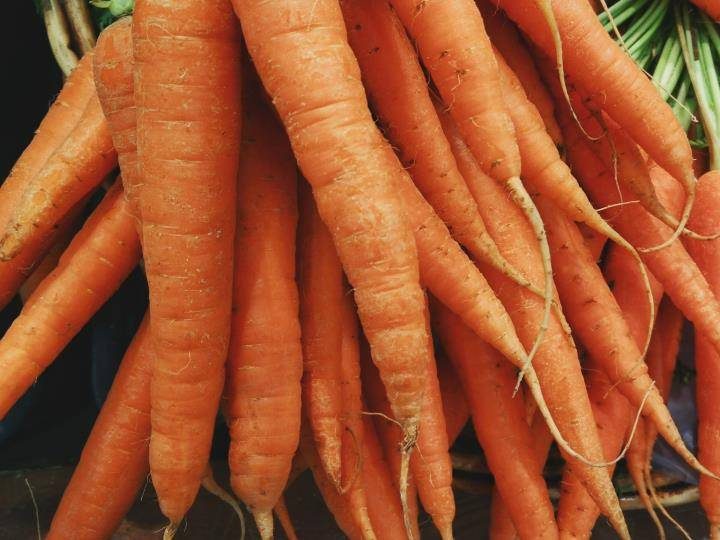
Use frozen vegetables to help you eat more veg
Stock up your freezer with veg such as peas, green beans, spinach and sweetcorn which all freeze brilliantly. Prep time is zero, and there's no waste, so it's a super easy way to eat more vegetables. Add frozen spinach to mash, smoothies, quiches, and sauces.
And don't forget to cook extra portions of vegetable side dishes such as braised red cabbage and this easy ratatouille to pop in the freezer and save time another day.
You can also freeze pulses successfully - batch cook them and freeze them in small pots.
Replace part of the meat with vegetables
Adding extra vegetables into your regular recipes is one of the best ways to sneak in extra veggies. Add an onion or two. Onions add a lovely flavour to so many dishes, and make more expensive, less healthy ingredients go further. Grated carrot adds a delicious sweetness to many recipes and cooks down easily. And cherry tomatoes also break down easily in many recipes.
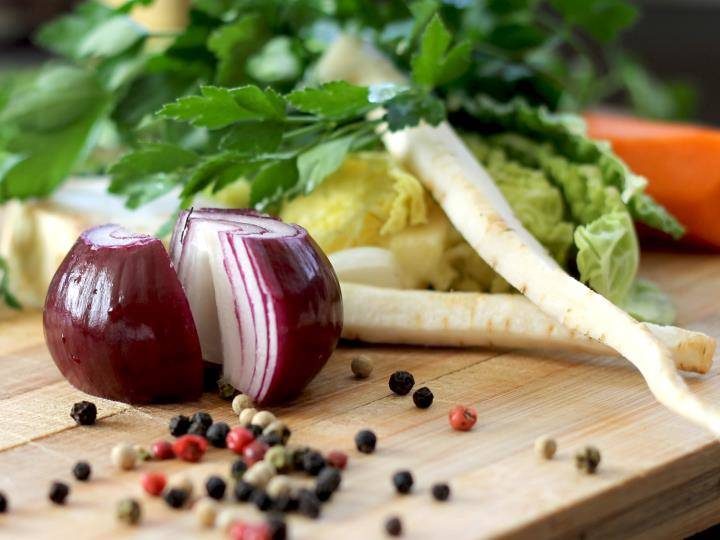
Turn vegetables into sauces
Master a couple of good vegetable-based sauces, and stash a few pots in the freezer. Not only will you be adding more vegetables to your diet, but you'll also be avoiding rich, creamy sauces.
One of my favourites is this quick spinach sauce. Cooked veg can also be pureed down into a tasty, healthy sauce.

Include veg in your smoothies
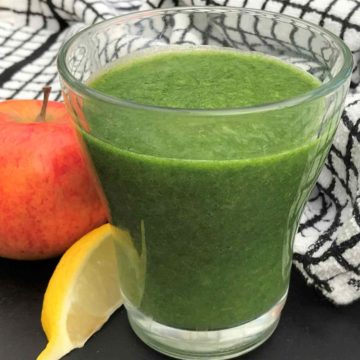
Smoothies are also an easy way to eat more veg. Try this easy spinach and applesauce smoothie, bursting with healthy green goodness, which you can make in a normal blender.
Kale and frozen cauliflower also work well in smoothies, as the fruit masks their flavour.
Remember though, a smoothie only counts as one portion of fruit and veg, however much you have, as some of the fibre has been removed.
Add vegetables to your lunch
When you're packing a lunchbox, make sure that there's always at least two portions of veg in there: mangetout, carrot, pepper, tomatoes, avocado, sweetcorn…
Cooked veg can also make a great addition to a salad: make extra when you're cooking roast veg, such as sweet potatoes, so they are ready to grab from the fridge.
And don't forget the dressing - a drizzle of olive oil will help your body to absorb some of the vitamins more efficiently.
Grow your own vegetables
Last but not least, why not grow some of your own veggies - and get the kids involved? You'll know they are pesticide-free, and you'll be tempted to eat more veggies when they are fresh from the garden. Plus, you can save money: a large pot, filled with leafy greens will pay for itself many times over.
I find that some vegetables are particularly easy to grow, such as lettuce, kale and leaf beet, so give it a go.
And in the winter, sprout some seeds to sprinkle over your food. Sprouted seeds are packed with goodness, and super easy to grow. Egg and cress salad, anyone?
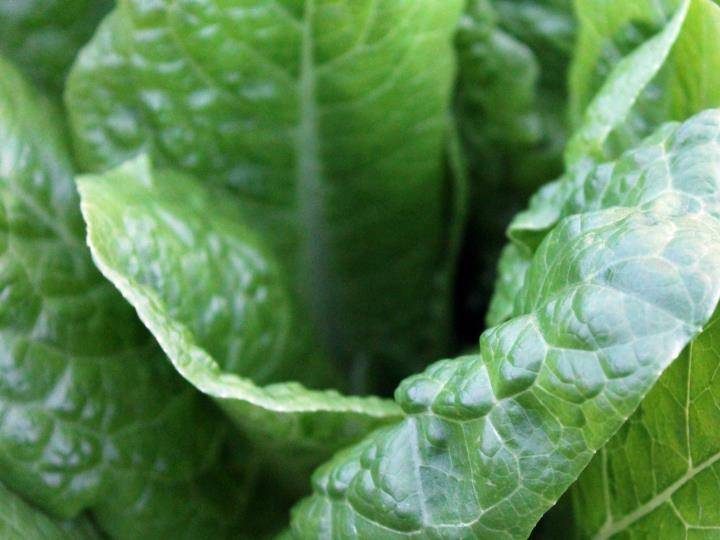
Easy recipes that help you eat more vegetables
The right recipes will make vegetables delicious and easy to include in your meals.
Veg-packed family meals
Healthy dinner recipes packed with vegetables that your family will love.


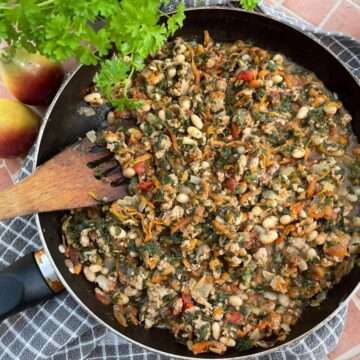
Sneaky veg recipes
These filling and comforting recipes all have extra veggies sneaked in! Hidden vegetable recipes are an effortless way to help the family adopt a veggie-rich diet.
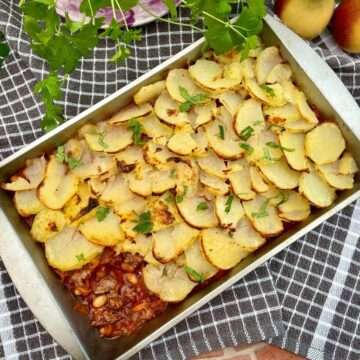
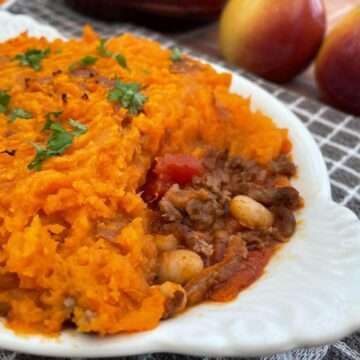

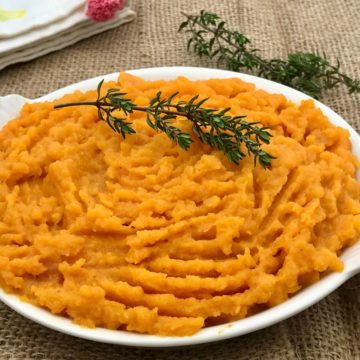
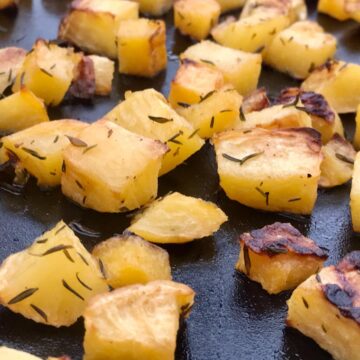
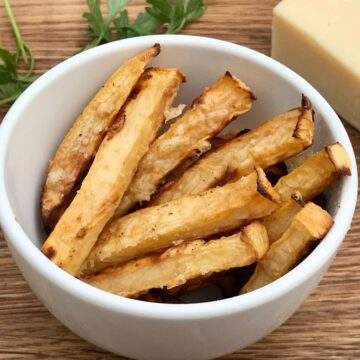
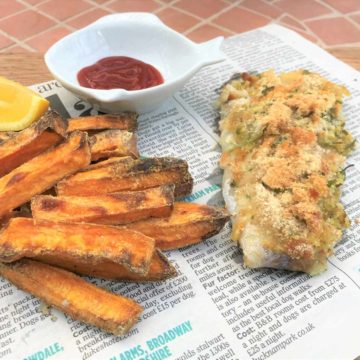
Vegetable alternatives to potatoes
Try one of these healthy alternatives to potatoes and rice - they are an easy way to add a wider variety of veggies to your diet.


Freezable vegetable side dishes
In my experience, having some ready-made vegetable side dishes in the freezer can be a lifesaver. I always batch cook and freeze these healthy vegetable side dishes.


Frozen vegetable recipes
These recipes all use frozen vegetables, which are both convenient and budget-friendly. I always keep several types of vegetables in my own freezer.


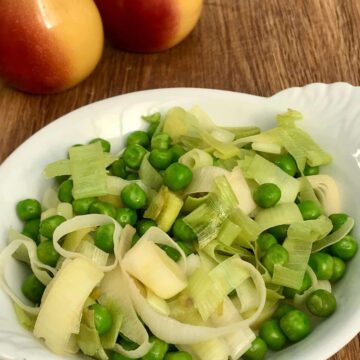

Vegetable rich sauces
Veggie-rich sauces are an easy way to include an extra portion or two of vegetables in your diet.

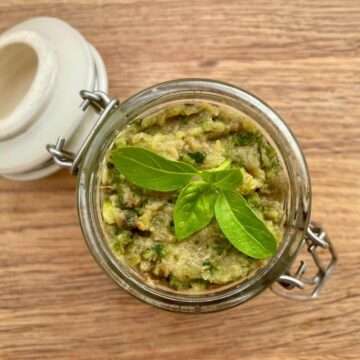

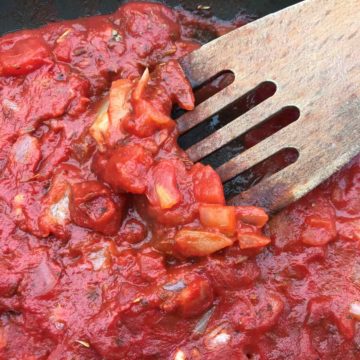
Easy vegetable soups recipes
Soup is a super easy way to eat more vegetables, and children often enjoy smooth blended soups, especially if you serve it in a mug.



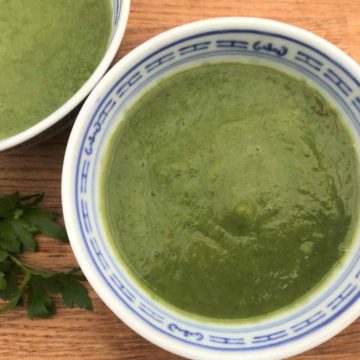
Simple salad recipes
These easy salad recipes are very simple to make, and much more interesting and varied than a lettuce leaf.

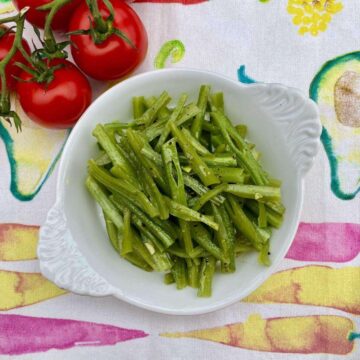

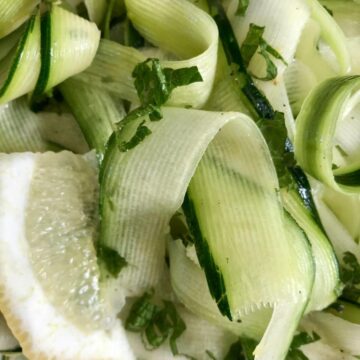
Veggie laden lunch recipes
These easy lunch recipes are all based on vegetables. And of course, healthy vegetable soups and salads are also great for a vegetable-rich lunch.



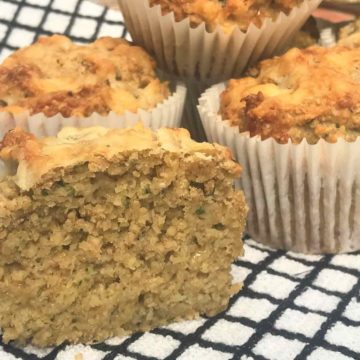
Cakes and muffins with vegetables
You can even add nutritious veggies to your baking. Not only are they a healthy addition, but they also replace less healthy sugar and fat! It's a win-win!
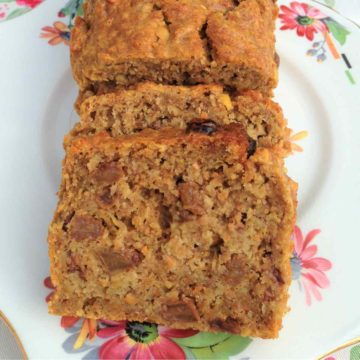

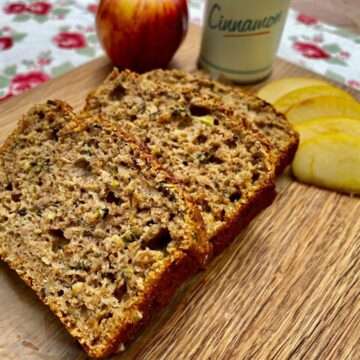
Breakfast recipes with vegetables
Adding veggies to smoothies makes an easy start to the day. You could also try a veggie omelette, or healthy muffins with added veggies.


How to get kids to eat more vegetables
I've found that many of the strategies above are equally effective at getting kids to eat extra veggies.
Often it's the texture of vegetables that children find off-putting, so you might want to try smooth soups and sauces.
You could also start with sweeter vegetables such as peas, peppers and carrots.
Like adults, kids often eat with their eyes, so make the veggies look attractive.
If you are trying to cook healthily for picky eaters, make sure you sneak extra veggies into their favourite everyday family recipes.
And remember, if they see you eating lots of vegetables, they are much more likely to do so themselves!
Frequently asked questions
Frozen veg is every bit as nutritious as fresh veg, sometimes even more so as the nutrients are better preserved. Vitamins and minerals start to degrade once the vegetables are picked, so rapid freezing can help to prevent this.
In my experience, vegetables that are easy to store, prepare, and cook are the best. So frozen veggies such as peas and spinach are invaluable. Chopped onion, grated carrot and tinned tomatoes are easy to integrate into many family recipes. And a handful of baby leaf spinach or cherry tomatoes is also an easy option.
The NHS recommends we eat a minimum of 400g of fruit and veg per day, including a wide variety, but there's no specific split between fruit and veg. However, some research shows that eating higher amounts of fruit and veg is even better for your health, and that vegetables are particularly valuable.
Do you find it easy to include plenty of veggies in your diet? If you've got any questions or ideas, please do get in contact.
Comments
No Comments